

Introduction to English Literature
Do you love reading great stories? English Literature opens a new world for you. It covers hundreds of years of writing. Many students look for good literature notes to help them study. Nazar Bazmi Notes provide simple facts about famous books and poems.
We will look at poetry, drama, and novels. You will learnabout famous writers. These Nazar Bazmi Notes explain hard ideas in easy words. Studying literature notes helps you pass your exams. It also helps you understand how people lived long ago.
We use English Literature to understand history. Writers share their feelings through words. Good literature notes make these feelings clear. Let’s start our journey through these great works.

Poetry in English Literature
Poetry is a huge part of English Literature. Poets use beautiful words to share deep thoughts. They use rhyme and rhythm. Good literature notes often start with poetry. It helps us feel strong emotions.Many students find poetry hard. But English Literature makes more sense when you break it down. You just need the right literature notes to guide you. We will look at different types of poetry now.
Classical Poetry Notes
Classical poetry is very old. It started a long time ago. Famous poets like Geoffrey Chaucer wrote in this style. He is a father figure in English Literature. His stories rhyme and tell funny tales.
Another great name is John Milton. He wrote long poems about heroes. These literature notes highlight his serious style. Classical poets followed strict rules. They counted their beats carefully. English Literature respects these old masters.
They often wrote about gods and wars. Their language sounds very formal. You might need good literature notes to read them. But their stories are very exciting. They built the foundation for us.
Romantic Poetry in Literature
Romantic poetry changed everything. It focused on nature and feelings. English Literature shifted during this time. Poets like William Wordsworth loved the outdoors. He wrote about trees, flowers, and hills.
These literature notes show how they broke the rules. They did not like cities or factories. They wanted freedom. English Literature became more personal. The poets shared their own sad or happy hearts.
John Keats is another famous name here. He wrote about beauty. Romantic poetry is a favorite topic in literature notes. It speaks to our emotions. It teaches us to look at the world with love.
Modern Poetry Themes
Modern poetry started in the 20th century. The world changed fast. English Literature changed with it. Wars and machines made life different. Poets wrote about these confusing times.
T.S. Eliot is a key figure. His poems are like puzzles. Good literature notes help explain his strange images. He did not use simple rhymes. He broke the lines into pieces.
English Literature in the modern age feels fractured. It reflects a busy, loud world. Writers wanted to show the truth. These literature notes help you see their honest views. They wrote about real city life.
American Poetry Notes
American poetry has its own voice. It is a key part of English Literature studies. Walt Whitman celebrated the American spirit. He wrote with long, free lines. He loved the common people.
Emily Dickinson wrote very short poems. She lived a quiet life. Her work is vital for your literature notes. She thought about life and death. Her words are powerful and sharp.
American poets broke away from British styles. They created a new path in English Literature. They used simple speech. These literature notes show how they found freedom. They made poetry for everyone.
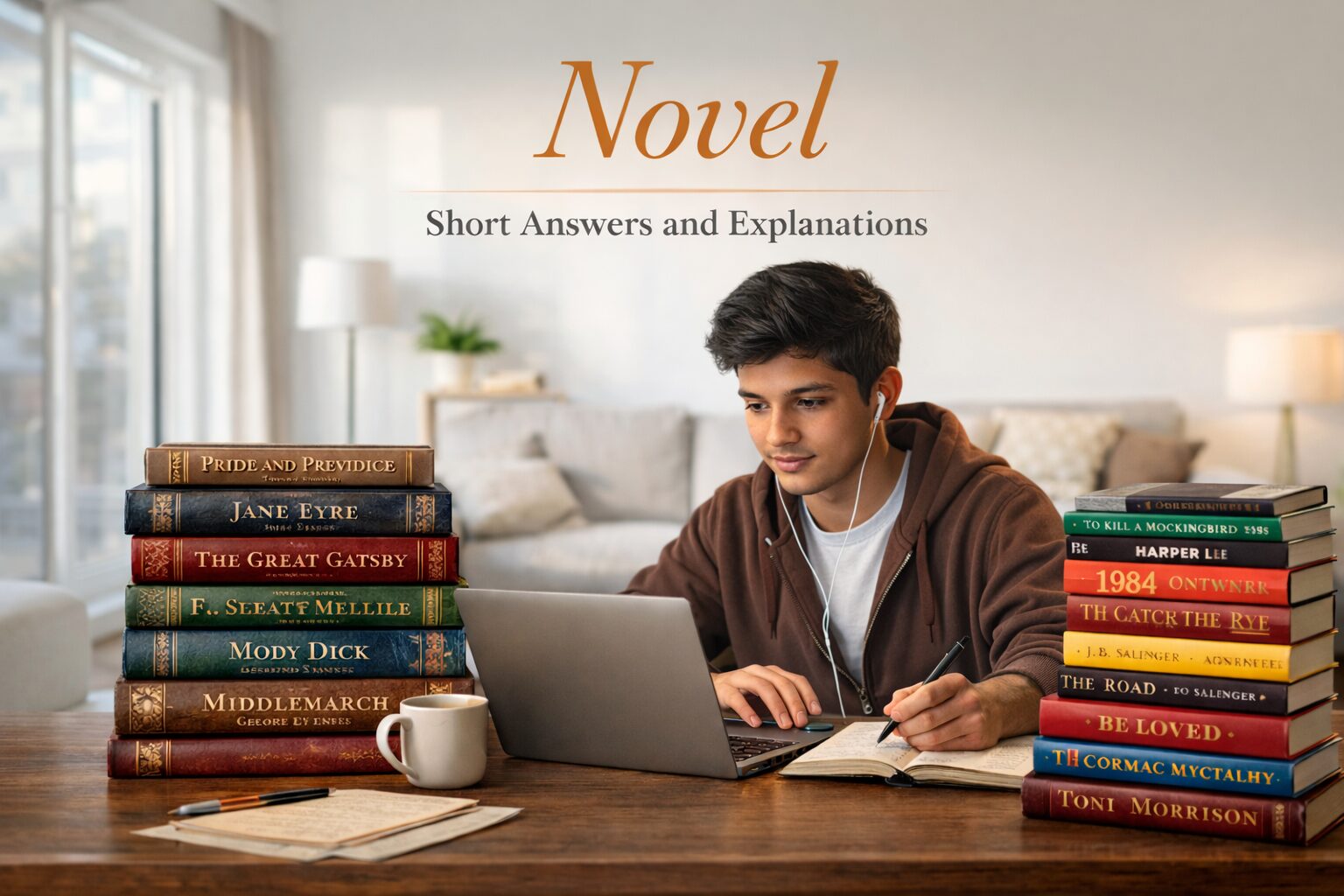
The novel is a long story. It is the most popular form today. English Literature has many great novels. Writers create whole worlds in books. Readers love to get lost in them.
Jane Austen wrote about love and marriage. Her books are funny and smart. Literature notes help track her many characters. She looked at how people behave. She is a star of English Literature.
Charles Dickens wrote about the poor. He wanted to help them. His stories are full of life. Your literature notes will cover his famous books. He created memorable heroes and villains.
Novels allow deep character growth. You see a person change over time. English Literature treasures these long journeys. Studying literature notes reveals the themes inside. We learn about society through novels.
Drama means plays performed on a stage. It is exciting to watch. English Literature has a rich history of drama. Actors bring the words to life. You need literature notes to study the scripts.

Reading a play is different from a book. You must imagine the action. English Literature classes often focus on these plays. They teach us about conflict. Good literature notes explain the characters well.
Classical Drama Notes
Classical drama is famous worldwide. William Shakespeare is the king of English Literature. He wrote plays about kings, love, and magic. Everyone knows “Romeo and Juliet”. It is a sad love story.
Christopher Marlowe was also important. He wrote strong plays. Your literature notes should mention his bold heroes. Classical drama used grand language. The characters spoke in poetry.
People loved going to the theater. It was their main entertainment. English Literature grew popular because of these plays. These literature notes help you understand the old language. The stories are timeless.
Modern Drama in Literature
Modern drama changed the stage. It became more realistic. English Literature plays started to look like real life. Playwrights stopped using fancy verse. They used normal speech.
George Bernard Shaw wrote clever plays. He wanted to fix society. Literature notes often discuss his strong ideas. He made people think hard. He used humor to show serious problems.
Samuel Beckett wrote strange plays. Characters waited for things that never came. English Literature became experimental. These literature notes explain why this matters. It showed how confusing life feels.
American Drama Notes
American drama is very powerful. It deals with family and dreams. Arthur Miller wrote about sad salesmen. His work is a staple of English Literature. He showed the dark side of the American Dream.
Tennessee Williams wrote emotional plays. His characters felt lonely. Good literature notes analyze their pain. He used the stage to show deep secrets. His plays are very famous.
American playwrights speak the truth. They show real struggles. English Literature values their honesty. These literature notes help you feel their power. They make you care about the characters.
Prose includes essays and speeches. It is not poetry. It is normal writing. English Literature values clear thinking. Writers use prose to argue ideas. It is very direct.
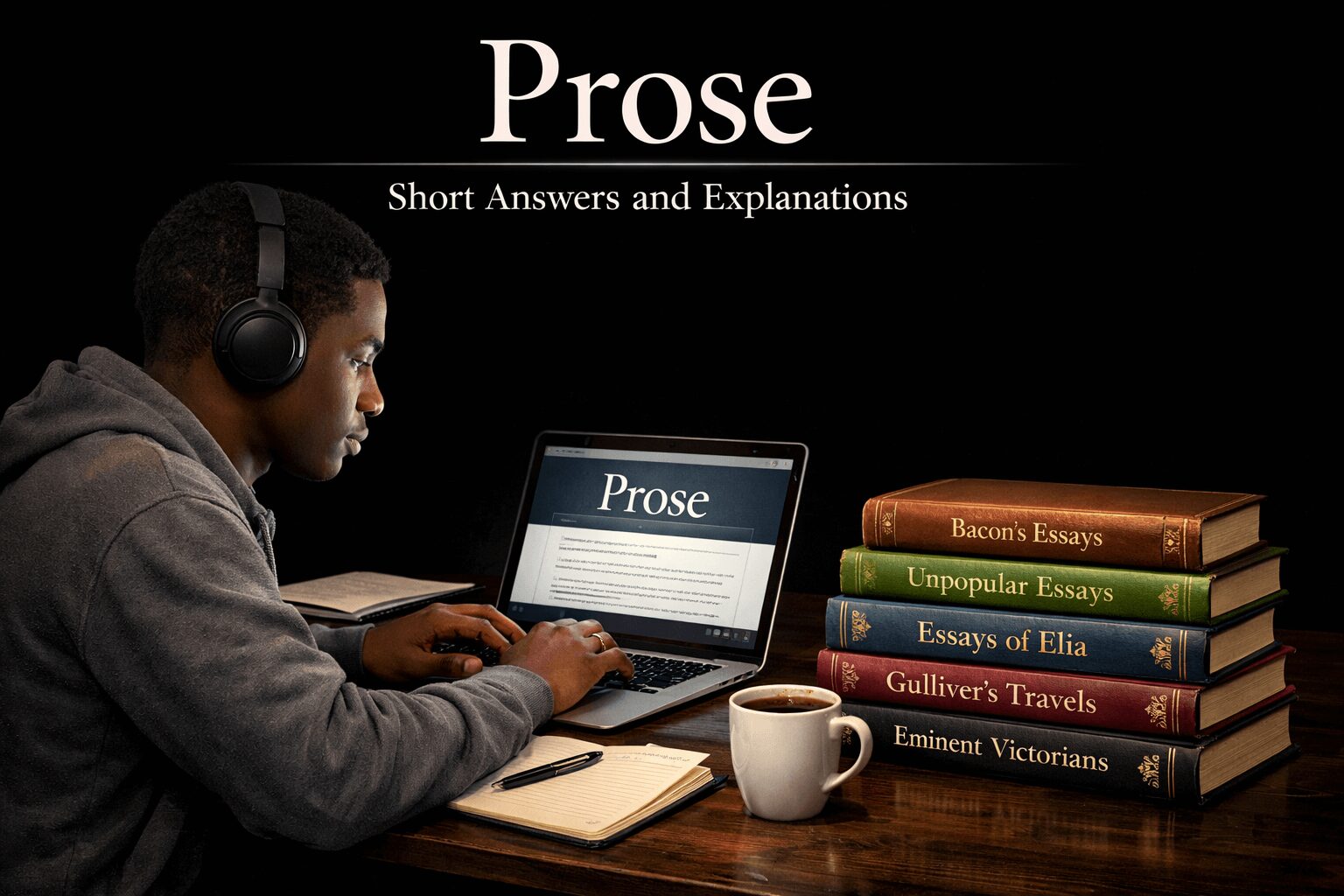
Francis Bacon wrote short essays. He gave advice on life. Literature notes often study his wise words. He wrote about truth and study. He helped shape English Literature.
Prose writers want to teach us. They explain the world. They use facts and logic. Good literature notes summarize their main points. It helps you think clearly.
Non-fiction is also prose. Biographies and histories fit here. English Literature covers all good writing. Prose connects us to real facts. These literature notes guide you through the arguments.
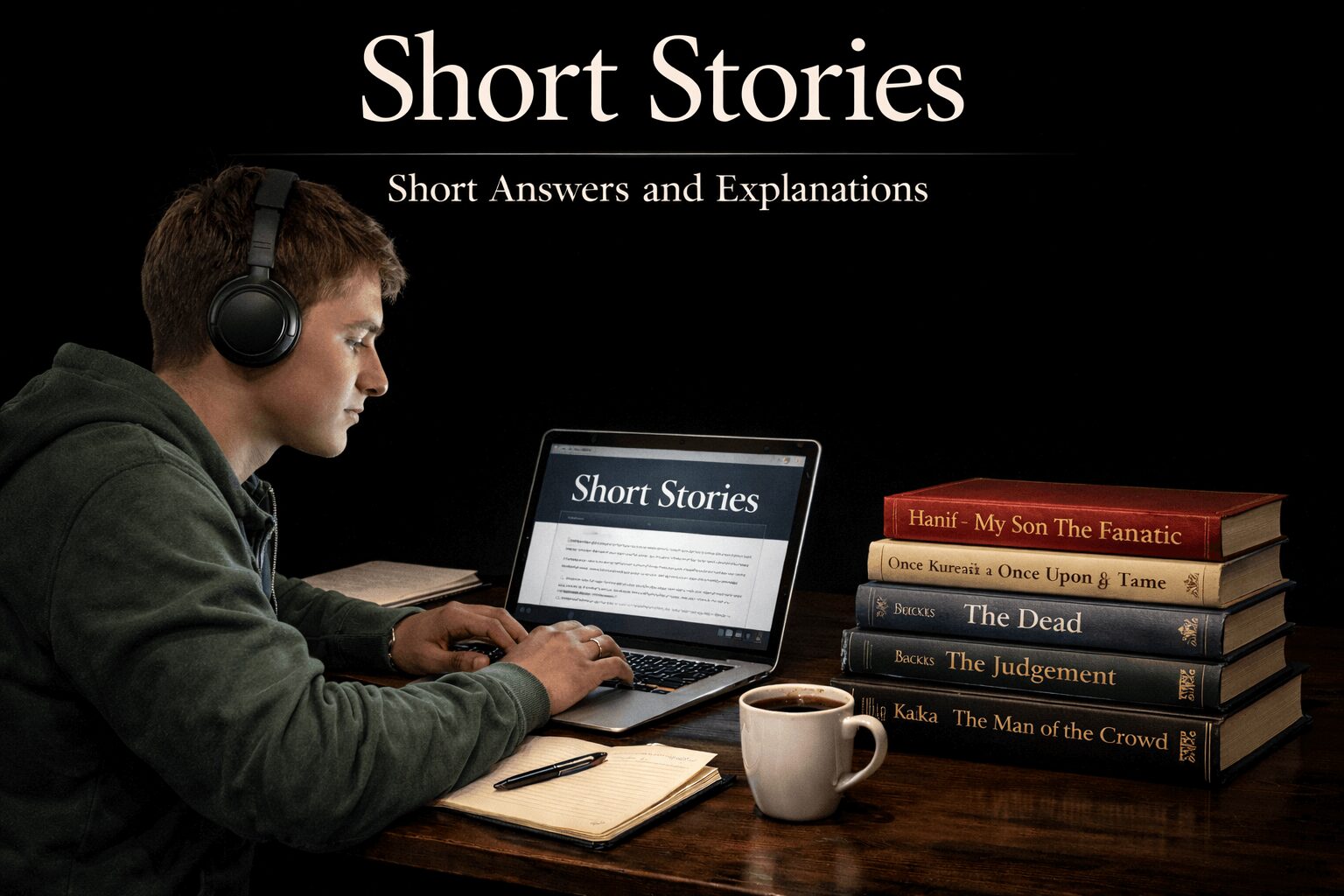
Short stories are quick and powerful. They tell a full tale in few pages. English Literature has many masters of this form. You can read them in one sitting.
Edgar Allan Poe wrote scary stories. He is famous in English Literature. He created dark moods. Literature notes often focus on his plot twists. He knew how to shock readers.
Short stories focus on one event. Every word counts. Writers must be precise. These literature notes show how they do it. They paint a picture quickly.
Modern writers also love short stories. They capture small moments. English Literature celebrates this brief art form. It is perfect for busy readers. Good literature notes highlight the hidden meanings.
Criticism in English Literature
Long ago, Aristotle wrote about drama in his book, Poetics. He explained how stories should have a beginning, middle, and end. He said a good plot keeps us interested. Many literature notes talk about his rules and why they matter.
Later, Philip Sidney wrote An Apology for Poetry. He believed poetry teaches and delights. He defended poetry and helped people respect the art. English Literature still uses his ideas to judge poems and stories.
T.S. Eliot came much later. He was a famous poet and critic. Eliot taught us to look for tradition and structure in works. He wrote essays that guide readers and students. His ideas shape how we read modern books today.
Critics ask questions about themes and symbols, just like you can. They study why a writer used a word or style. Literature notes are a kind of criticism—they help find deeper meanings in the text.
You can be a critic, too. Try asking what a hero stands for or what a setting means. English Literature invites everyone to wonder and explore. Good literature notes answer these big questions using examples from the books.
Criticism makes reading more fun and turns every story into a mystery or puzzle. As you study, you join a big conversation started by thinkers like Aristotle, Sidney, and Eliot. Literature notes are your way in. Keep reading and thinking. English Literature belongs to everyone.

Of Studies Summary: 13 Reasons Study Leads to Success
Introduction Francis Bacon’s essay “Of Studies” is a timeless piece of advice on the value of knowledge. This “Of Studies”
Learn The Dead by James Joyce in 35 Questions and Answers
Introduction to The Dead by James Joyce Learn The Dead, written by James Joyce in 35 Questions and Answers. These
Of Parents and Children by Francis Bacon Question and Answer
Welcome to your Essay Learning page with Muhammad Nadeem. This post offers mastery of essay learning through questions and short
Our Other Endeavors
Take a peek inside our Wonderworld

Gemstones Knowledge
A Gemstones Guide

Poncho Mart
An Affilliate Website